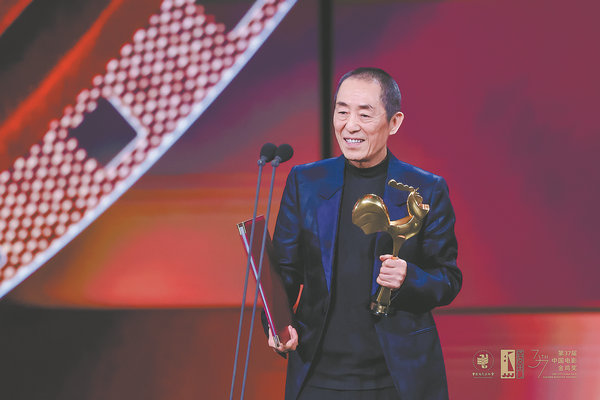
Fifth Generation of Chinese Directors
Introduction
The Fifth Generation of Chinese Directors refers to a group of filmmakers who graduated from the Beijing Film Academy in the early 1980s and played a significant role in the revival and transformation of Chinese cinema. They were characterized by their willingness to challenge the conventional norms and explore themes related to Chinese history, culture, and personal narratives. With a unique narrative style and visual aesthetics, these directors have been instrumental in introducing modern Chinese cinema to a global audience, marking a distinct departure from the traditional filmmaking approaches of previous generations.
Prominent Directors
Zhang Yimou
Zhang Yimou is one of the most celebrated figures of the fifth generation of Chinese directors, recognized for his profound impact on both domestic and international cinema. Born in 1950 in Xi'an, Shaanxi province, Zhang's career is marked by his distinctive visual style and adept storytelling, often exploring themes of culture, beauty, and conflict. His films, such as "Red Sorghum," "Raise the Red Lantern," and "House of Flying Daggers," have garnered numerous awards and acclaim worldwide. His work is noted for its use of vibrant colors, dramatic landscapes, and deep exploration of Chinese cultural and historical themes. Zhang's ability to craft compelling narratives has made him a pivotal figure in bringing Chinese cinema to a global stage, and he remains active in the industry, continuing to innovate with films that blend traditional Chinese aesthetics with modern storytelling techniques.
Chen Kaige
Chen Kaige, a prominent figure of the fifth generation, is recognized for his epic storytelling and exploration of intricate historical narratives. His acclaimed film Farewell My Concubine (1993), which won the Palme d'Or at the Cannes Film Festival, exemplifies his focus on the complex dynamics of Chinese history and their impact on individual identities. Known for his visual grandeur and deep psychological understanding of characters, Chen often delves into themes of love, power, and betrayal.
Throughout his career, Chen Kaige has earned praise for his skillful use of visual metaphors, intricate sound design, and cinematic storytelling infused with profound societal observations and reflections on Chinese culture. His films delve into the lasting effects of history and tradition on the human psyche, depicting intricate emotions while advocating for a more harmonious and rational way of life.
Tian Zhuangzhuang
Tian Zhuangzhuang, another prominent director of this generation, is celebrated for his films that often challenge the status quo and explore diverse ethnic narratives within China. His work includes films like The Horse Thief (1985) and Lian Ying,The Imperial Eunch (1991), which are praised for their bold storytelling and nuanced portrayal of marginal communities. Tian's films often explore themes of cultural identity and social change, reflecting his interest in the diverse tapestry of Chinese society.
Zhang Junzhao
Zhang Junzhao was one of the early pioneers of the fifth generation, known for his film One and Eight (1983), which marked a departure from traditional Chinese filmmaking with its innovative narrative structure and stylistic approach. His work is noted for its raw and realistic portrayal of the human condition, often focusing on the lives of ordinary people amidst significant historical events. Despite not gaining as much international recognition as some of his peers, Zhang Junzhao's influence on the development of Chinese cinema during this transformative period is undeniable, as he helped pave the way for more experimental and personal narratives in Chinese film.
Li Shaohong
Li Shaohong has made significant contributions to Chinese cinema, especially in the realm of television dramas and films that explore traditional Chinese aesthetics. Her works often focus on women's experiences and perspectives, offering narratives that challenge societal norms and provide insight into the feminine psyche. As a director, she has been instrumental in pushing for more female representation in the film industry, both in front of and behind the camera. Her leadership in the China Film Directors' Guild and advocacy for gender equality in the film industry underscore her commitment to diversifying Chinese cinema.
Impact on Chinese Cinema
The fifth generation of Chinese directors has had a profound impact on the evolution of Chinese cinema. By introducing innovative storytelling techniques and exploring complex themes of identity, culture, and history, these directors have broadened the narrative scope of Chinese films. Their works have not only redefined Chinese cinema's artistic landscape but have also paved the way for subsequent generations of filmmakers to explore new artistic boundaries. The global success of these directors has also increased the international visibility of Chinese cinema, allowing for a greater appreciation of its cultural richness and diversity.
International Recognition
The fifth generation directors have played a crucial role in bringing Chinese cinema to the global stage. Their films have been showcased at major international film festivals, earning critical acclaim and numerous awards. Directors like Zhang Yimou and Chen Kaige have become household names in the international film community, their works celebrated for their artistic merit and cultural depth. The international recognition of these filmmakers has helped bridge cultural gaps and foster a greater understanding and appreciation of Chinese cinema worldwide, establishing it as a significant player in the global film industry.
During the 1990s, the fifth generation directors clinched the top honors at the three major European international film festivals—the Golden Lion Award, the Golden Bear Award, and the Palme d'Or. Additionally, they secured four nominations for the Academy Award for Best Foreign Language Film.








